Join US
Do you want to build the fantasy world you’ve always dreamed of?
Subscribe to receive notifications when a new post is out and for our monthly newsletter!
You can always unsubscribe anytime.

"Creating fantasy worlds"
"Creating fantasy worlds"

There are many things that go into constructing a story. However, what separates truly the great ones from the others is that each component works well in tandem with not a single one overpowering the others. One such is that of character exploration and it is one of the most important for it doesn’t just affect the plot itself but how your audience feels about a particular character.
In simple terms, character exploration refers to learning all about a character. For the sake of this article, we will focus on the major characters since they have greater prominence fin the plot. There are many aspects of this to take into account when crafting a plot that includes a litany of various people, each one different from the others. Long before they’ve written the first page of their story, smart creators have created a detailed dossier of the characters who will appear throughout the tale, knowing essentially everything about them.
While character exploration is a key driver in terms of the story, it is easy to devote either too much attention or too little to one character. Doing this runs the risk of having a character overshadow the others, even if the creator didn’t intend for that to happen. You also don’t want your audience to feel like they know too much about a character or virtually nothing about another one.
How do you get the right balance when it comes to character exploration? One way is to have your audience learn just the right information about your characters. That is, they know exactly what they need to know about them, not more or less. This is achieved at all junctures in the plot as they make decisions and converse with other people.
This is article number seventeen in The Sunlit Hearth series. For more, go to our blog page where we have a scintilla of fantastic articles that cover various topics!
Character exploration, one of the key tenets of constructing a story, refers to learning about a character. This occurs throughout the plot as the audience spends time with a character, discovering many things about him like his personality, outlook on life, and etc. The more time your viewers spend with him, the more they know about him which gives them more insight into how and why he makes the decisions he does at key points in the tale.
Think of characters as dynamic, not static. They’re not the same at the end of the story or the end of their arc as they were at the beginning. Whether by plot-dictated events or the decisions they make throughout the story, they change for good or bad. Your want your audience to understand why they do what they do and delving into who they are at heart enables them to better understand them.

There are many aspects of character exploration. It’s broken into several groups. One is the physical appearance. How he looks and speaks, the clothes he wears, his mannerisms and idiosyncrasies reveal a lot about how he perceives the world and other characters, notably those from different social classes.
The second aspect is his personality which is one of the most vital components of character exploration. It influences how he interacts with other people, how he conducts himself, his internal decision-making process, and his outlook of the world and the people who live in it. It comes into play at all times, whether making a strategic decision that shapes the next set of events in the plot or speaking with either a friend or foe.
The final part of character exploration is how he reacts to events beyond his control, both made by the plot and by other people. How he reacts says a lot about who he is and his processing skills. They will also determine the decisions he makes going forward, both good and bad for his goals and objectives. For instance, in a traumatic event such as suffering the loss of a loved one, someone who is overwrought with grief will do things wholly out of character, taking others by surprise.
When people watch their favorite movies or play a game, they don’t just get invested in the world, they get invested in the characters. They have an innate curiosity to want to learn more about them so that they can better understand who they are at heart. As a creator, it’s up to you to do that in a way that keeps them engaged all the way through to the end.
Unfortunately, character exploration is tougher than you think it is. There are two polarities that can cause you more trouble than it’s worth. Spending too much time on a particular character — if he is not the protagonist — runs the risk of overshadowing the others whereas devoting little to no time on one makes your audience wonder if he is important in the grand scheme of things.

Regarding the former, you don’t want your audience to know every facet of a character. Doing this makes him too predictable which makes it easy for your viewers to figure out what his next move will be. There isn’t as much excitement in his story if you know what he’s going to do before he actually does it. To avoid this, leave some elements of his personality mysterious as to keep your audience in suspense of what he’ll do next.
With the latter, where a character is barely explored, it makes your audience wonder what the point of having him in the story is. Does he contribute anything whatsoever or does he have some kind of significance to the plot that hasn’t been telegraphed yet? To mitigate this, give your viewers a reason to want to know more about him. Maybe he has a closely guarded secret about either the world or the protagonist and drop some subtle cues that he is hiding something of importance to the plot.
All your major characters have their own role to play in the tale. While it’s true that at times, one will be in the driver’s seat as his arc temporarily becomes more important than the others, this shouldn’t deter from the other players. Rather, it should engender more interest in them, as your viewers will be naturally curious to see what they’re doing and their reaction to the character who has assumed the leading role for the time being.
Striving to avoid the two polar extremes of character exploration is trickier than you think it is. On one hand, you’ll reveal way too much about a character which ultimately winds up hurting his mystique since there is nothing new for your viewers to learn about him. On the other hand, spending little to no time with another makes it more likely he’ll be forgotten even if he has some kind of plot-significance.
There is one way to keep people invested in all of your characters, both your favorite and not-so-favorite ones but it’s easier said than done. That way is to strike the right balance between the two opposites though it requires a great deal of effort and great attention to detail. You must make the conscious choice to ensure that it enhances the plot and not hinder it at all points from the beginning to the end.
A smart creator slowly introduces the relevant aspects of a character’s personality as the plot unfolds. He doesn’t just reveal everything about him right away. The audience learns what they need to know at that point in the tale. Take Merry from LOTR for example. He is introduced as a jester, a trickster who revels in hijinks and wacky antics but over time, he becomes courageous, ultimately becoming a warrior who wants to fight for his friends.
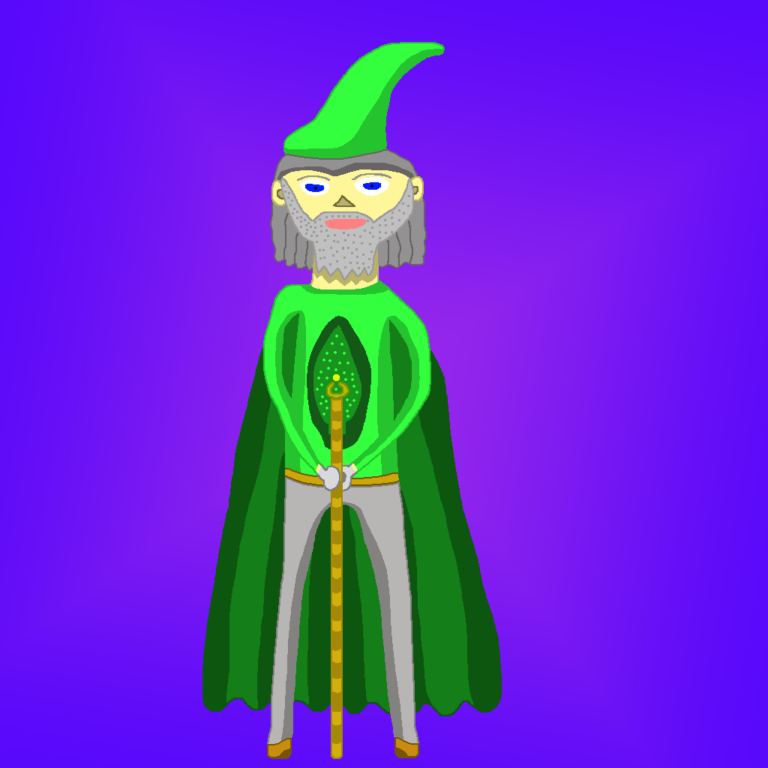
Another way to perfect the art of character exploration is to only focus on the parts that are germane to the plot. All other elements are extraneous and can be left out of the story. Take Merry from LOTR. Does your audience need to know what his childhood was like or the places in The Shire he spent a lot of time in as a child were if it doesn’t impact the story?
This applies to all junctures in the plot, both character-driven and dictated by the story. The decisions they make based on the information they have, either from others or the world itself, doesn’t just impact their next move but those that come after it. Your audience gains insight into their psyche as they make their own choices as they know exactly what they need to know about them at that particular point in the tale.
Character exploration is a powerful tool that, if used correctly, can make any character beloved or hated and it’s because you gave your audience the information you wanted them to know at a precise moment in the plot, no more no less. To truly master it, you must endeavor to find the sweet spot between bombarding them with too much info or practically nothing about them and only through meticulous attention to detail and hard work will you make it happen.
Let me know what you think in the comments below. (Note: this is an account-exclusive feature).
If you don’t have one, you can register here. It only takes a few moments of your time!
Liked this article and want to subscribe? All you have to do is fill out the form below and that’s it!
Thanks for reading this and until the next time,
Sunfire
Subscribing means you receive:
You can always unsubscribe anytime.
Do you want to build the fantasy world you’ve always dreamed of?
Subscribe to receive notifications when a new post is out and for our monthly newsletter!
You can always unsubscribe anytime.