Join US
Do you want to build the fantasy world you’ve always dreamed of?
Subscribe to receive notifications when a new post is out and for our monthly newsletter!
You can always unsubscribe anytime.
"Creating fantasy worlds"
"Creating fantasy worlds"
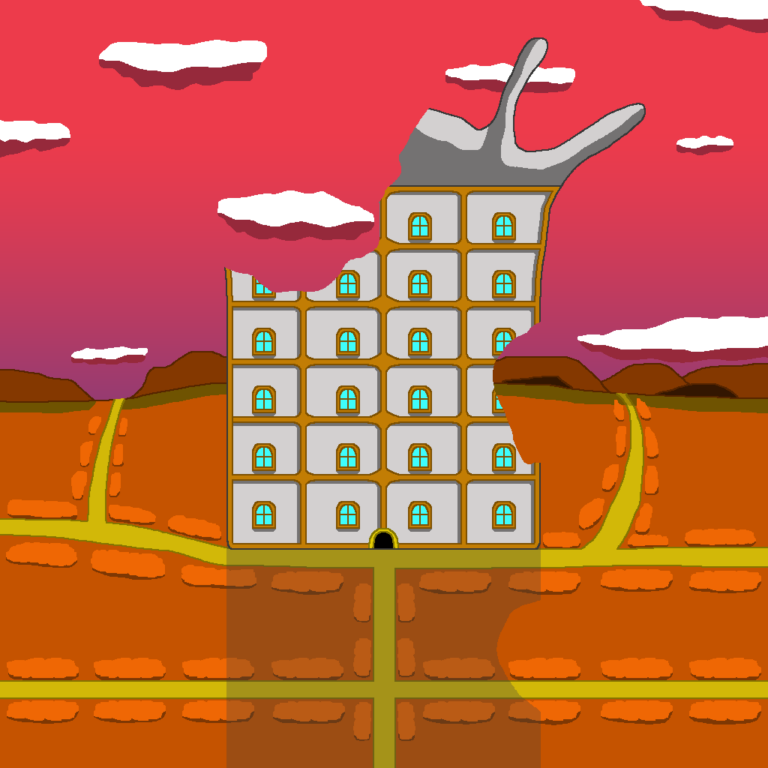
When pondering potential storylines you’d like to explore in your own story, there are a huge number of themes and ideas you can choose from within the fantasy genre. Each one of them comes with its own plot line possibilities but one towers over them all when it comes to storytelling potential. The parallel universe is its own category for there is no shortage of avenues to explore there!
The multiverse has long been a trope of fantasy, appearing in many works across the decades. Creators who go down this route do so for a number of reasons. Some like to explore what-if scenarios or showcase an alternative history that led to a different Present day, others like to use different themes and ideas that otherwise couldn’t work in the universe they already created.
A parallel universe begins at one moment in time when the timeline begins to veer away from the original. This is called the origin point and it is the exact moment the alternative universe is born. With the birth of this new universe, only the creator knows what is in store for the future which will wind up different than that of the original timeline.
When working with a multiverse that they made, creators must devote ample time to whatever number of parallel universes in existence and the original, ensuring that one is isn’t overlooked. It is tempting to spend far more time in one universe than the other(s) since that one is more exciting at the moment but that temptation must be resisted at all costs. Each one of them is important to the overall narrative.
There is a fierce debate over whether it is possible to combine all the universes and make just one overall. Different works within fantasy showcase that such a move is possible though it comes with profound ramifications that shape what comes afterward. As to how to make it happen, nobody knows what the trigger is.
This is article number ten in the series examining the various aspects of time travel. For more, check out our blog page!
Just as the story has an official starting point, so does the world it takes place in. That also applies to the universe the story is set in. But what about the parallel universe? Where does it begin and how do you go about starting it?
A multiverse begins at the exact moment a sequence of events in the Past begins to move away from its original conclusion. It could be a character from the original Present winding up dead, a character choosing to stay in the town he grew up in instead of taking the ship out of town, or war between two countries breaking out instead of them finding common ground and avoiding it in the original timeline.
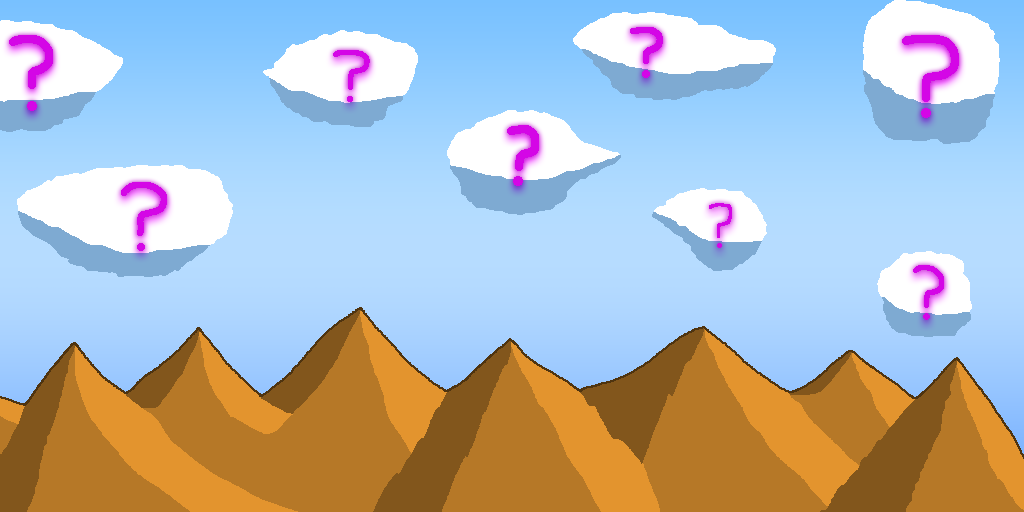
Known as the origin point, the parallel universe diverges from canon timeline, meaning that you can no longer apply the rules of the latter to that of the former. It is as if you are venturing into uncharted territory since the universe is no longer on the original timeline.
At this point in time, there is still a significant amount of overlap between the two universes since the alternative world has just been born. However, with each passing moment, that overlap dissipates and the parallel universe slowly becomes its own entity. Eventually, it will essentially become a wholly separate one and have nothing in common with the one it was birthed from.
As the precise moment the multiverse is born, the origin point ought to be of significance in the overall narrative, a seminal event if you will. This is perfectly encapsulated at the end of “The Legend of Zelda: The Ocarina of Time” when Princess Zelda uses her power to send Link back to his childhood after he defeats Ganondorf and saves Hyrule. The timeline Link leaves becomes known as the Adult Timeline and the one he goes to is the Child Timeline. Zelda’s fateful decision to send Link through time to his childhood leads to different fates for Hyrule in the two timelines.
Which is more important to the overall narrative: the parallel universe or that of the original? At first glance, the answer seems simple but it’s far more nuanced than you think. You see, though the former may no longer be associated with the latter, in the grand scheme of things, they are all relevant.
The reason for this is that each one contributes something that the others don’t. Think of them as smaller parts that when you put them all together, you get the full picture since they represent different themes and ideas. As such it is imperative that each one is fully explored since they have elements that do not exist in the others.
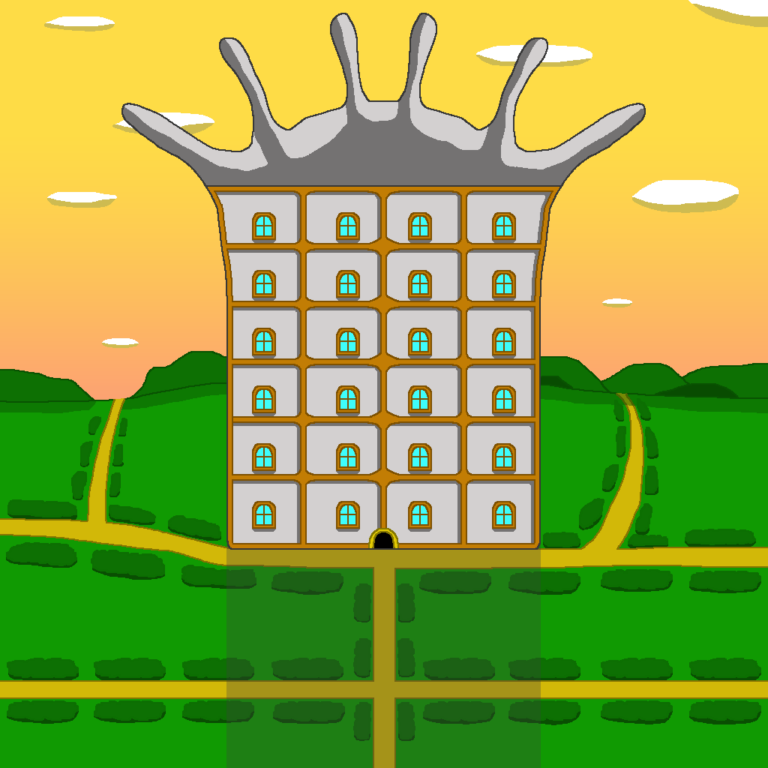
One interesting aspect when it comes to the multiverse is that there stands a strong possibility of similar events echoing across timelines. These special events tend to occur at approximately the same point in the timelines. Could these echoes hint at an unknown link between the universes that has yet to be revealed or are they part of some kind of grand design?
Let us return to The Legend of Zelda series here, this time looking at two games that take place at the same time in different timelines after the ending of “The Ocarina of Time”. In “The Wind Waker” Link explores the Great Sea, eventually discovering a flooded Hyrule in the Adult Timeline whereas in “Twilight Princess” Link unravels the mystery of the twilight that has overrun Hyrule in the Child Timeline. It is eventually revealed that Ganondorf is ultimately responsible for the calamity that has fallen on Hyrule in each timeline. What is quite interesting here is that these two wholly different events occurred at roughly the same time in their respective timelines at the hands of the same man.
This underscores the importance of continuing to not only work on the parallel universe but that of the original. One isn’t more important than the other, they are all vital in their own fashion. Continuing to work on all of them is instrumental in creating works that engender interest and maintain it all the way to the end.
Even though it might be easy to make an alternative universe, it might not be as simple when combining it with the original. The question then is, is something like that actually possible? And if so, how do you go about it?
There is no way of knowing if such a thing is possible since time travel is still theoretical in basis in the real world. To find out the answer to the two questions in the previous paragraph, we look to the fantasy genre. Luckily, there are many works that showcase time travel but only a small few actually dive into whether recombining two different universes can be done.
Works such as The Elder Scrolls indicate a merging of different universes is possible and is called a “Dragon Break”. As to how it happened, there isn’t much light to illuminate, which means the question of how has yet to be solved.
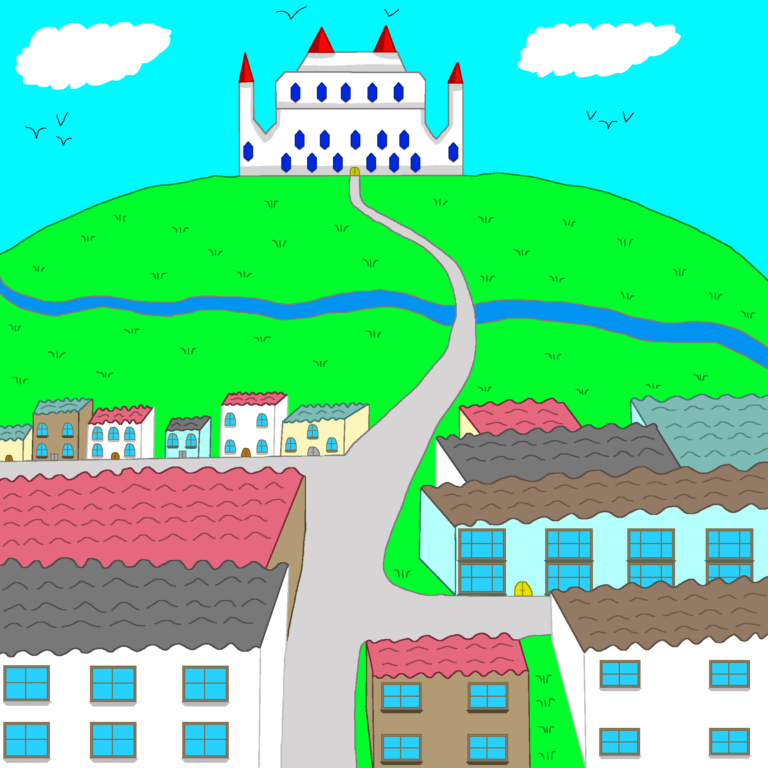
A debate has risen over how to make it happen. One side argues a violent or cataclysmic event that appears at the same time in different timelines has the power to cause them to merge. It could be the villain gains so much power that he threatens the Space-Time Continuum, leading to the universes collapsing unto themselves, causing a merging.
The other side says that only by the hand of a being with great power, namely a deity, can such an scenario come to pass. Gods and goddesses have the power to rewrite the fabric of time, meaning they can force the universes to merge by their hands alone. It could be to rectify the unintended circumstances of a parallel universe being born or to intervene in order to stop the villain of the story from proclaiming victory.
What happens after the parallel universe has been successfully recombined with the original one? Well for starters, it becomes difficult to separate truth from fiction since people will have different histories that cannot be disputed since they are from different universes. Everything stands to be questioned, from the social order to currency to ways of living, and so on. There will be a painful period of adjustment but it must be done since there will only be one universe going forward.
In conclusion, the parallel universe gives creators numerous avenues in which to craft unique stories that they otherwise couldn’t do in the original. In many cases, it is treated as a what-if, giving creators the option to chart a wholly different history that spun off from the original and became its own thing.
A multiverse is born at the precise moment the Past is altered. This moment is known as the origin point and is considered a seminal event in that it is where a new set of history came into being and began to diverge from the original. Many works within the genre place a heavy emphasis on this moment, showcasing its importance to the overall narrative.
Looking at the grand scheme of things, everything in the multiverse is important in terms of storytelling. Each universe contribute something that the other doesn’t. In other words, there is not one universe that is more vital than the other.
There is an ongoing debate over whether it is possible to merge the parallel universe with its original counterpart and if it is possible, how can it happen? Some say a “Dragon Break” is the event that is needed to reunite the two though there is no clear idea of how to make it happen.
One thing is for sure, creating and fleshing out a multiverse is fun since it gives you the chance to do things in a different way. You get to showcase themes and ideas that you had a hard time fitting in the original timeline!
Let me know what you think in the comments below. (Note: this is an account-exclusive feature).
If you don’t have one, you can register here. It only takes a few moments of your time!
Liked this article and want to subscribe? All you have to do is fill out the form below and that’s it!
Thanks for reading this and until the next time,
Sunfire
Subscribing means you receive:
You can always unsubscribe anytime.
Do you want to build the fantasy world you’ve always dreamed of?
Subscribe to receive notifications when a new post is out and for our monthly newsletter!
You can always unsubscribe anytime.